

CCTV Solutions for Conservation Areas
Installing CCTV in conservation areas requires experience, sensitivity, and an understanding of both formal planning controls and informal community expectations. CCTVPro.ai has extensive experience delivering discreet, compliant camera systems in conservation areas across London.
Minimising Visual Impact
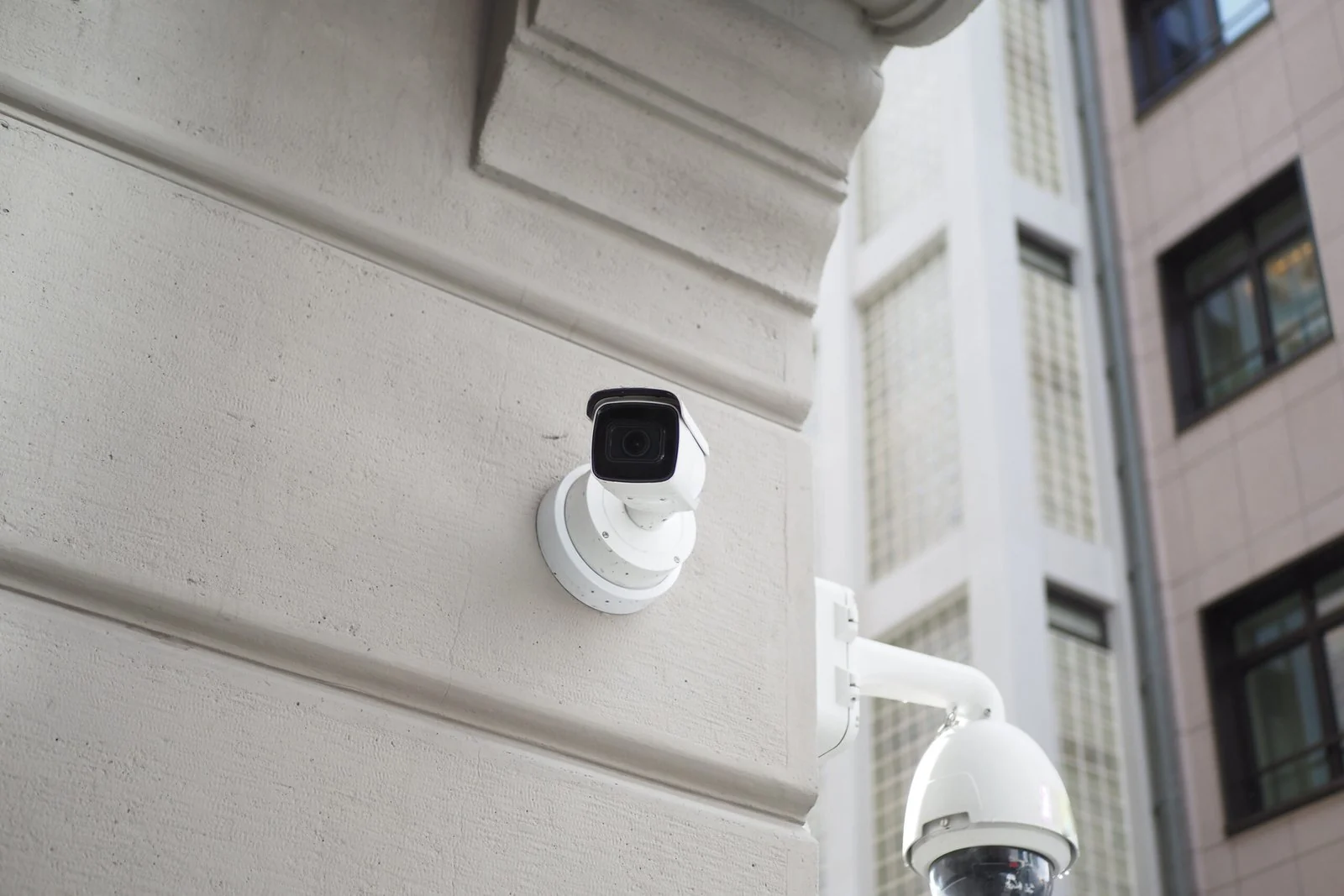
In a conservation area, the appearance of the installation matters alongside the coverage it provides. We assess how a camera will be seen from pavements, neighbouring properties and important approaches to the building. Position, scale and finish are considered together so equipment sits comfortably within the existing street scene.
Compact cameras can often be placed near existing architectural lines or secondary features, avoiding prominent positions on principal elevations. Where suitable, finishes can be selected to reduce contrast with their surroundings. Wide-angle coverage may reduce the number of cameras required, provided it still gives useful detail at the distances involved.
Our survey considers the complete installation, including brackets, junction boxes and cable entry points. A discreet camera loses much of its benefit if its supporting infrastructure is conspicuous. We therefore plan those details together and explain the proposed appearance before work begins.
Alternative Mounting Strategies
Attaching a camera directly to a historic façade is not always the best option. Existing lamp columns, suitable railings or carefully selected freestanding supports can provide useful viewpoints while keeping modern equipment away from sensitive building fabric. The choice depends on the setting, ownership and the coverage required.
We assess each proposed support for stability, practical access and compatibility with the camera and cabling. Bespoke brackets may allow equipment to fit an existing feature neatly, with finishes chosen to suit the surroundings. Any permissions needed from the owner or relevant authority are established before installation.
A successful mounting arrangement also needs to remain serviceable. We consider how cameras will be cleaned, adjusted or replaced without repeatedly disturbing historic surfaces. Where new street furniture is appropriate, its location and appearance are agreed alongside the security design rather than added as an afterthought.

Underground and Concealed Cabling
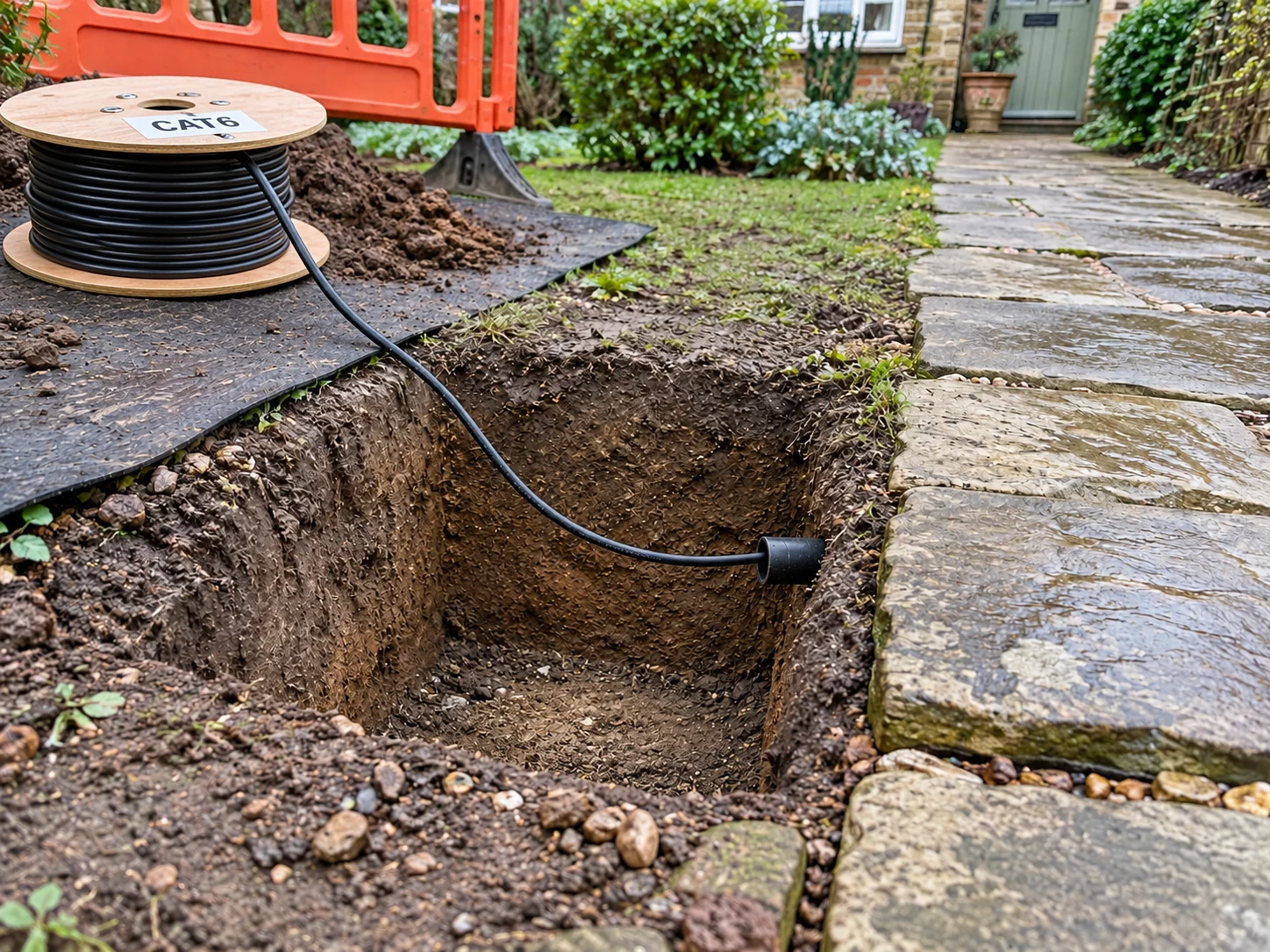
Visible cables and surface-mounted containment can be more intrusive than the cameras themselves. We first look for suitable existing ducts, service routes and discreet entry points, checking their condition and suitability before deciding whether they can be reused. Routes are planned to minimise changes to prominent elevations and public-facing features.
Where ground conditions and existing services allow, impact moling can create a route beneath a path or landscaped area between small access pits. This can reduce the amount of surface that needs lifting compared with a continuous trench. It still requires careful investigation, suitable access and local reinstatement.
Trees, drainage, foundations and buried services all influence the route. We agree the installation method around those constraints and record where new ducts run. The result is infrastructure that supports dependable CCTV while limiting visible additions and making future maintenance easier to plan.
Planning Awareness and Stakeholder Confidence
Security improvements are easier to progress when owners, residents and other stakeholders can understand the proposal. We set out the intended camera positions, the areas they will cover and the proposed mounting and cable routes. Photographs and straightforward explanations help make the visual impact clear before installation starts.
Where a proposal needs consent or specialist conservation input, that is addressed before the work proceeds. We can provide equipment information and installation details to support discussions with the responsible professionals or authority. A discreet design is valuable, but it does not remove the need to establish the permissions that apply.
We also explain how the system will operate: who can view footage, how access is managed and what ongoing maintenance involves. This gives stakeholders a practical basis for decisions about cost, appearance and privacy, helping the finished installation remain appropriate to the place it protects.
